
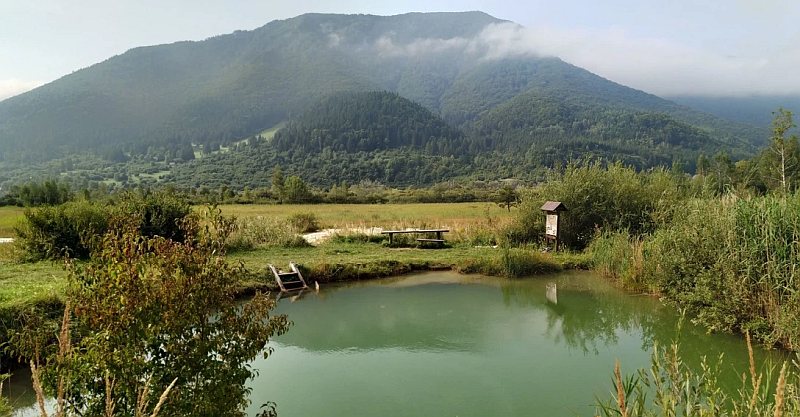
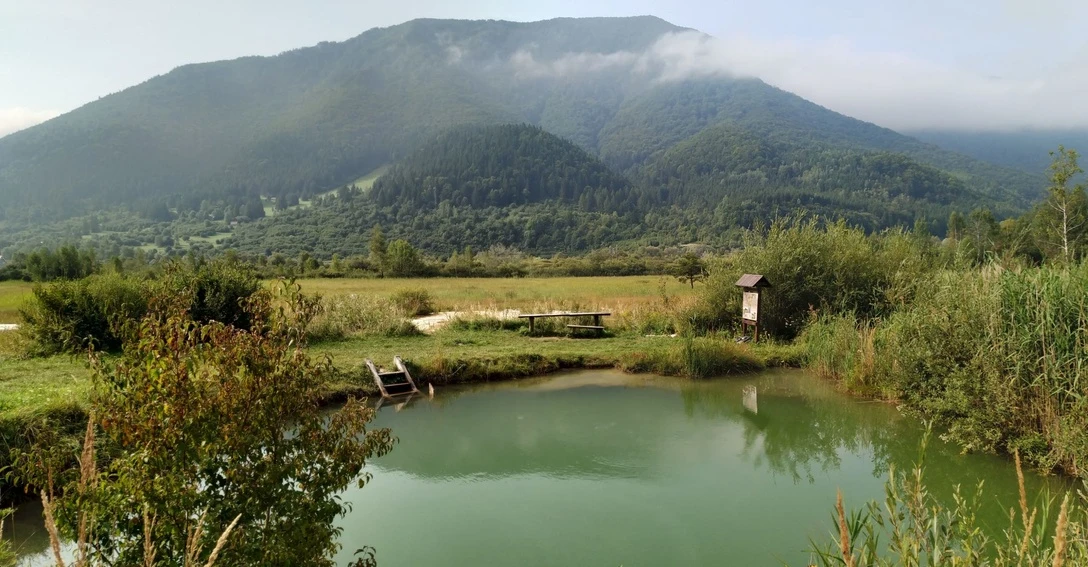
Unique travertine formations that form around springs of highly mineralized water. Its presence in the locality determines the occurrence of species and habitats of European and national importance. There is a 4th degree of protection applied here. Efforts to restore and build a swimming pool in the past caused degradation of the area. Currently, the surrounding area is adversely affected mainly by longer stays of bathers and pollution of the surroundings with waste.
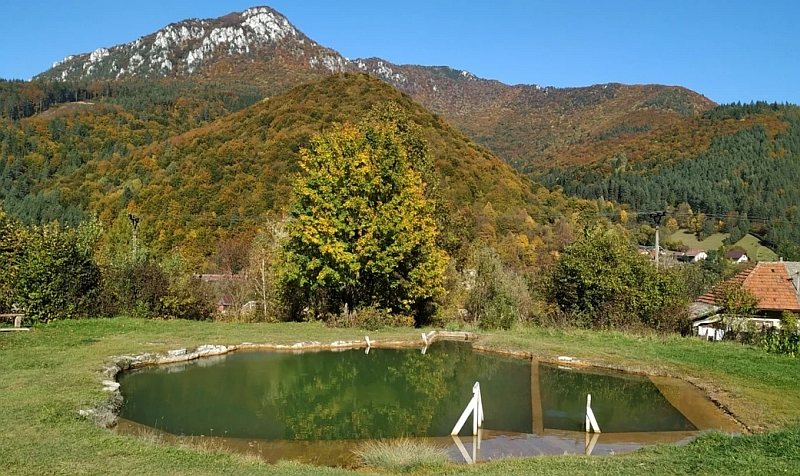
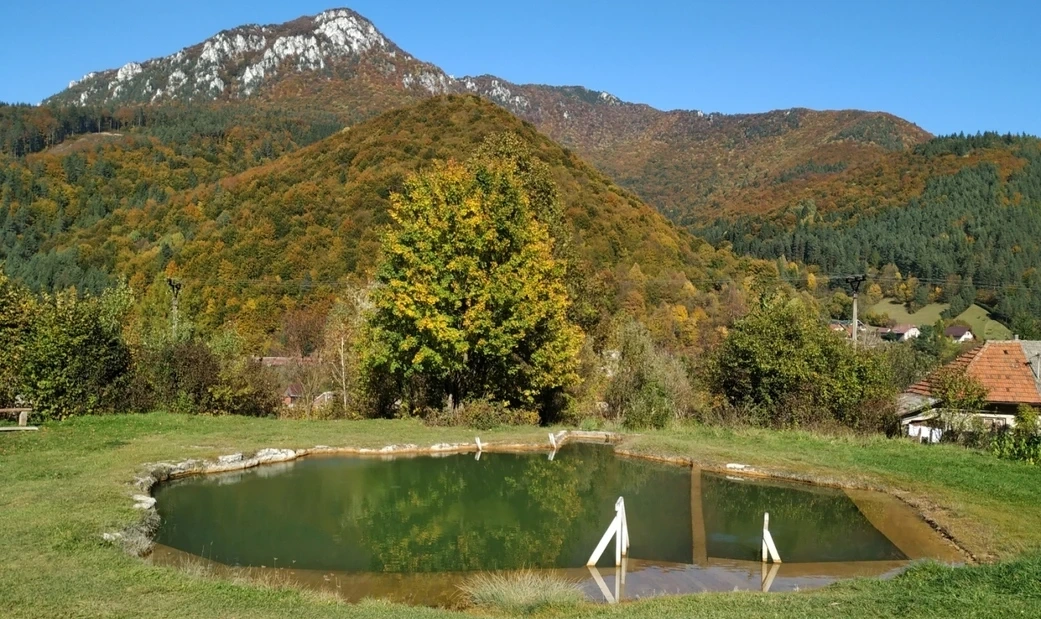
Rojkovský kráter is a rare travertine formation with mineral water surrounded by beautiful Liptov nature. The mineral water is not the warmest – it has approximately 14 to 20 °C – but it is healing and, thanks to strong carbon dioxide release, it constantly bubbles slightly. The official name of the pond is Teplica, but locals have long called it “Zlá voda”.
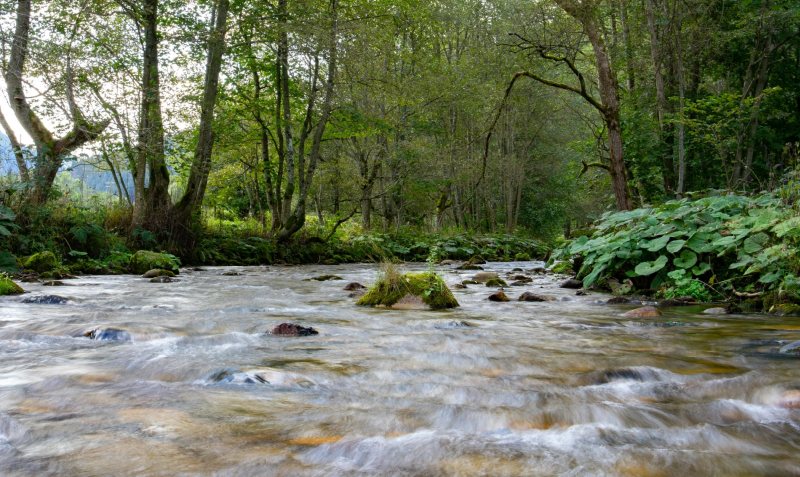
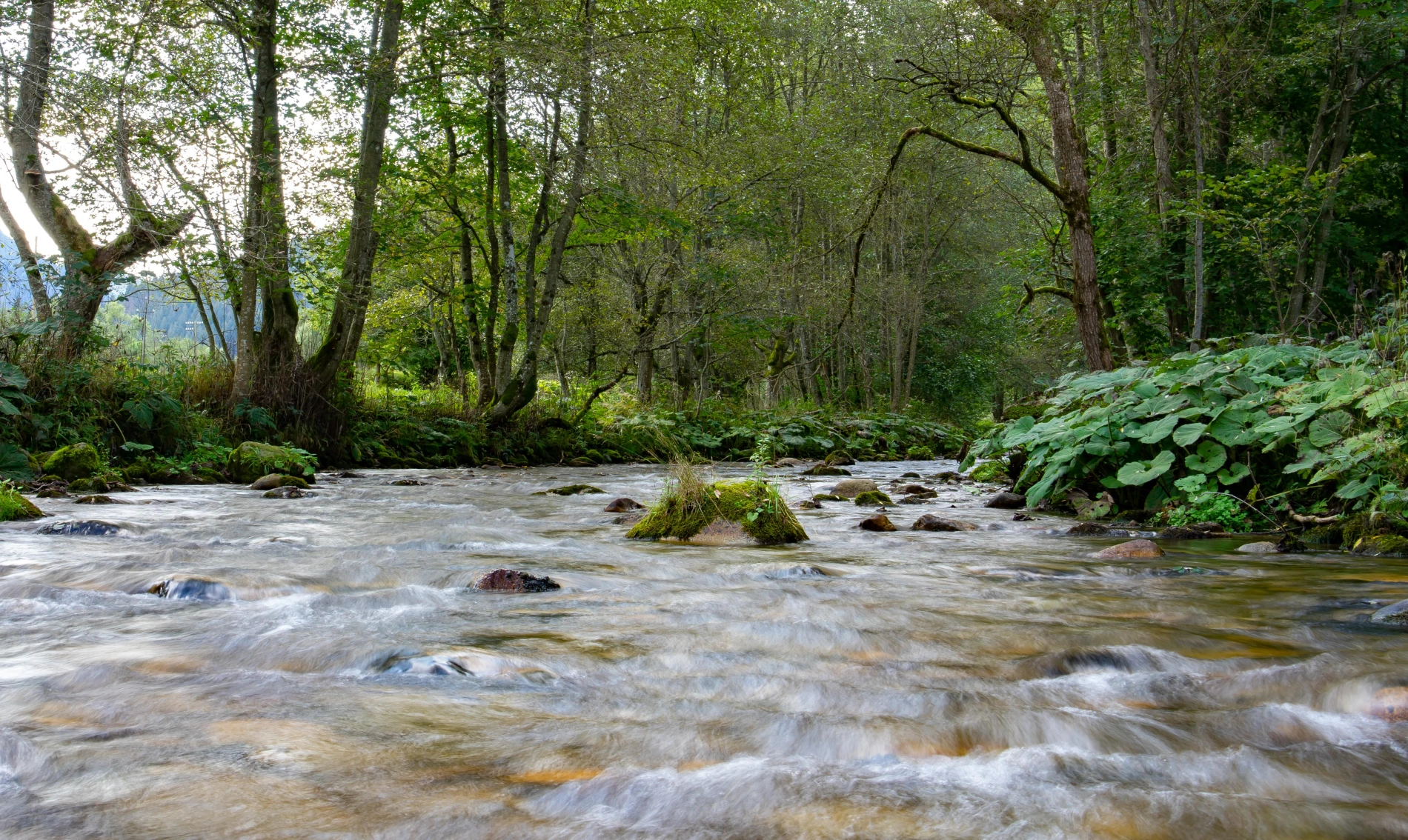
The village of Ľubochňa played a relatively important role from the 17th century in the wider area. There was a glassworks, a mill, water- and steam-powered sawmills, later also electric ones. At the beginning of the 18th century, an iron forge was established to process raw iron imported on rafts. In 1903, a hydroelectric power plant and a narrow-gauge forest railway were built here, also as the first electrified one in Central Europe. Its importance increased in the 19th century, when Count András Bethlen, the founder of Tatranská Lomnica, built state hotels, private villas, parks, spa houses, and a swimming pool. The construction was carried out in the Art Nouveau style with wooden half-timbered architecture. Ľubochňa is a well-known spa destination for endocrine diseases, and the National Institute of Endocrinology and Diabetology is located here.
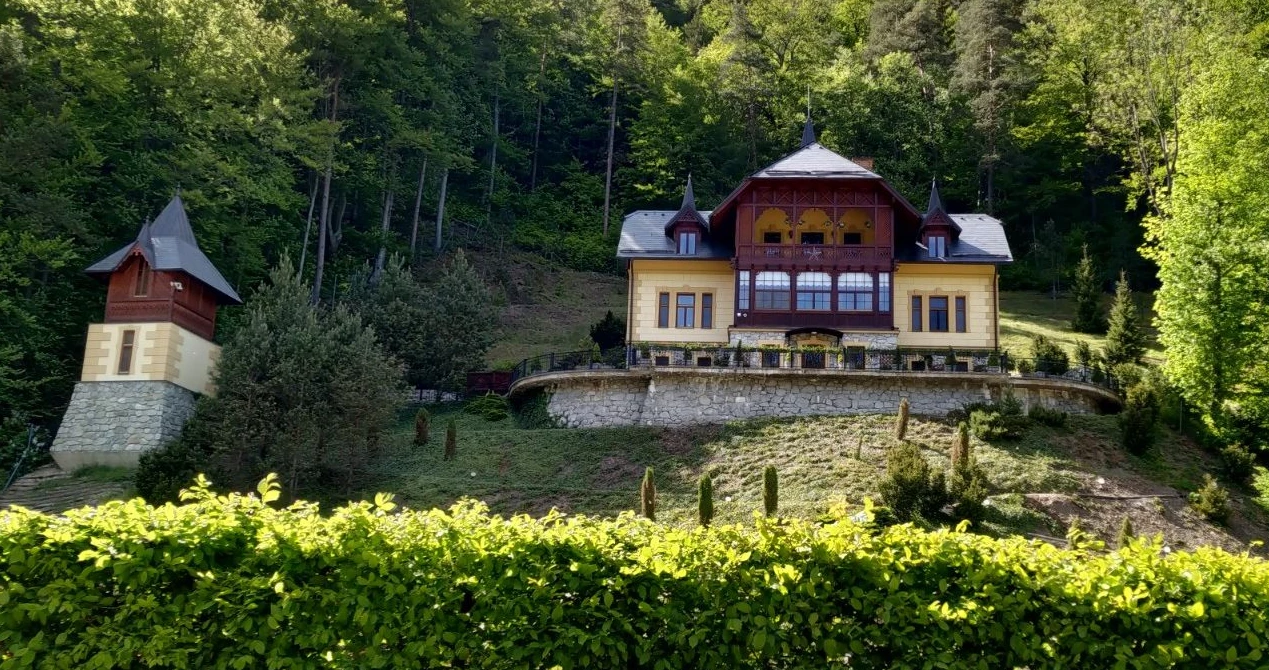
Fig. 1: Art Nouveau style of buildings and spa houses
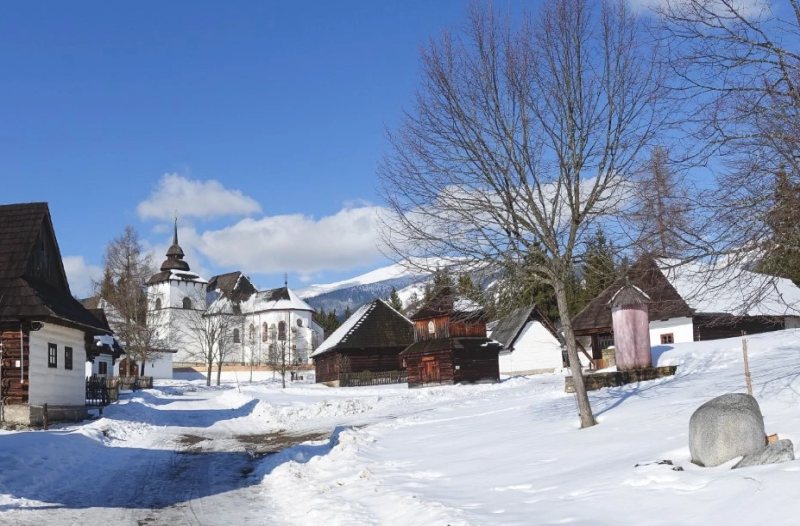
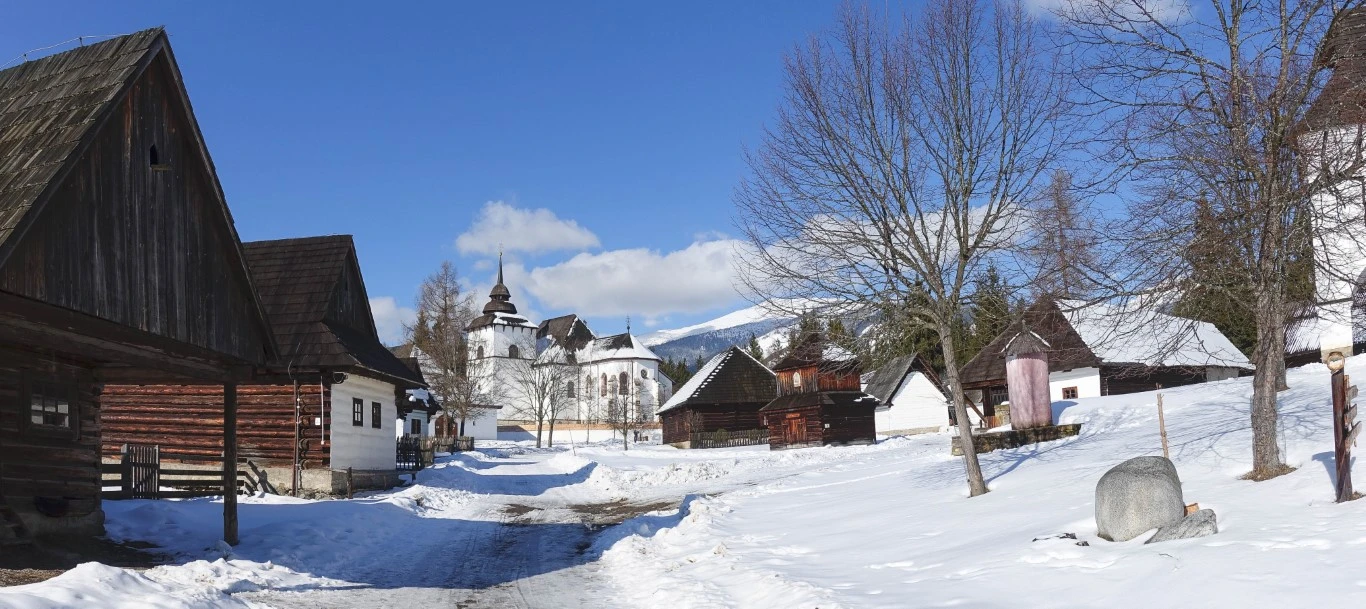
Museum of the Liptov Village differs significantly from other open-air museums mainly in the form of its layout and the composition of its buildings. It is an image of a medieval settlement with the privileges and rights of small towns. In addition to wooden residential and farm buildings, representing typical features of the folk architecture of peasant and craftsman classes, there are also two rare medieval stone structures. All the buildings together create a unique composition of the historical and cultural environment of ancient Liptov. The Gothic-Renaissance manor house from Parížovce is the oldest preserved gentry residence in Liptov from the 14th–16th century and is associated with King Matthias Corvinus and his son John Corvinus, the Prince of Liptov.
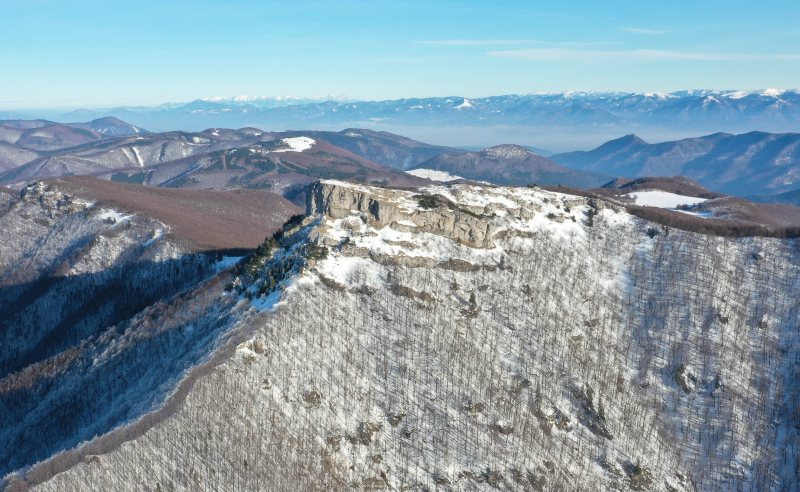
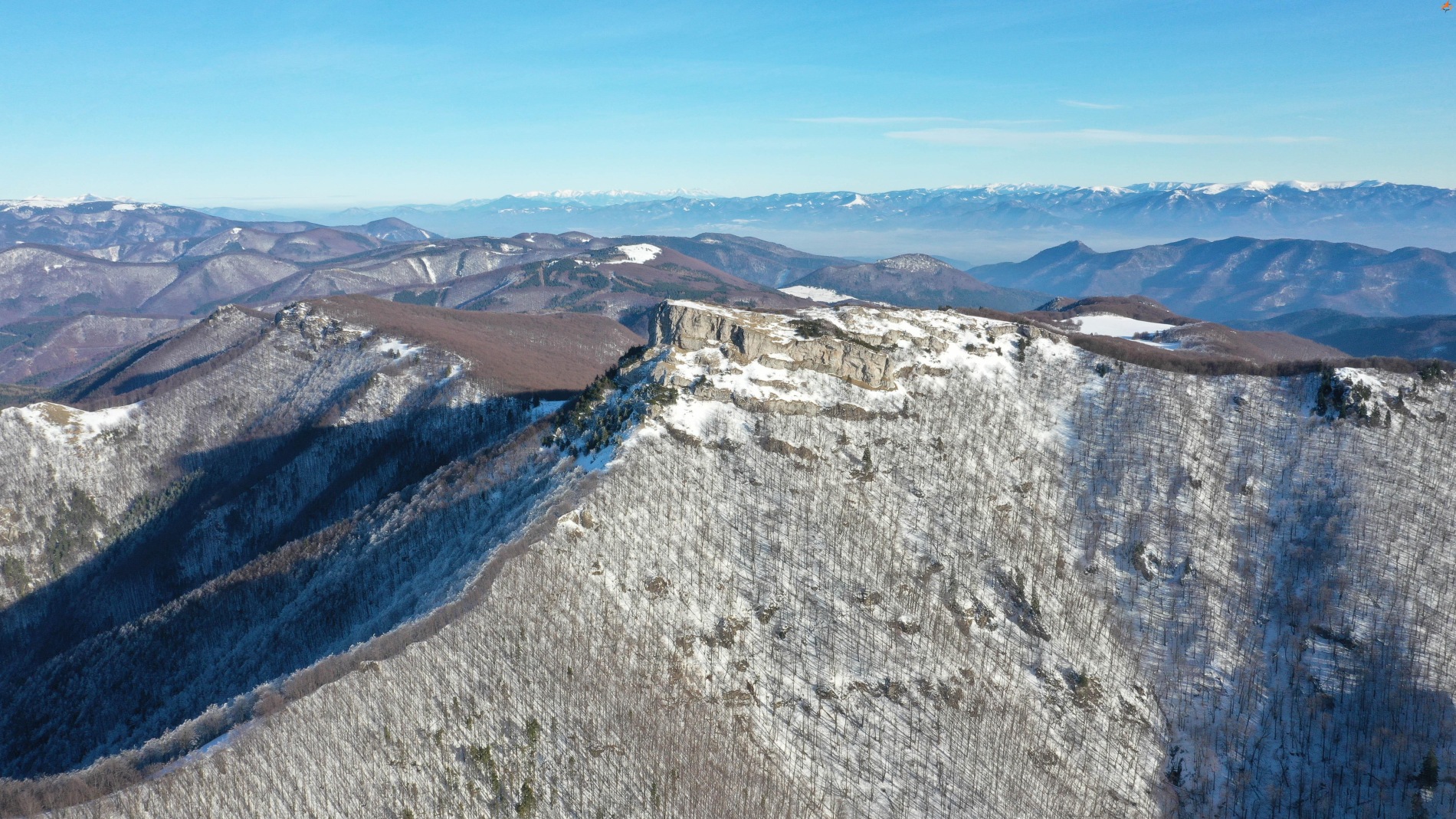
Vrch Kľak (1 352 m above sea level) is undoubtedly the most prominent and most popular peak of the southern part of the Lúčanská Malá Fatra. Its characteristic silhouette resembling a "nose" or a curved beak is visible from the entire upper Ponitrie region as well as the Rajecká basin.
As you pass through the Rajecká valley, your gaze will surely be drawn to its unmistakable, sharply cut limestone peak, which majestically rises above the dense forests. Kľak is an absolute legend and the uncrowned king of the southern part of the Lúčanská Fatra. The ascent is a popular classic that should not be missing from any mountain lover's hiking diary.