
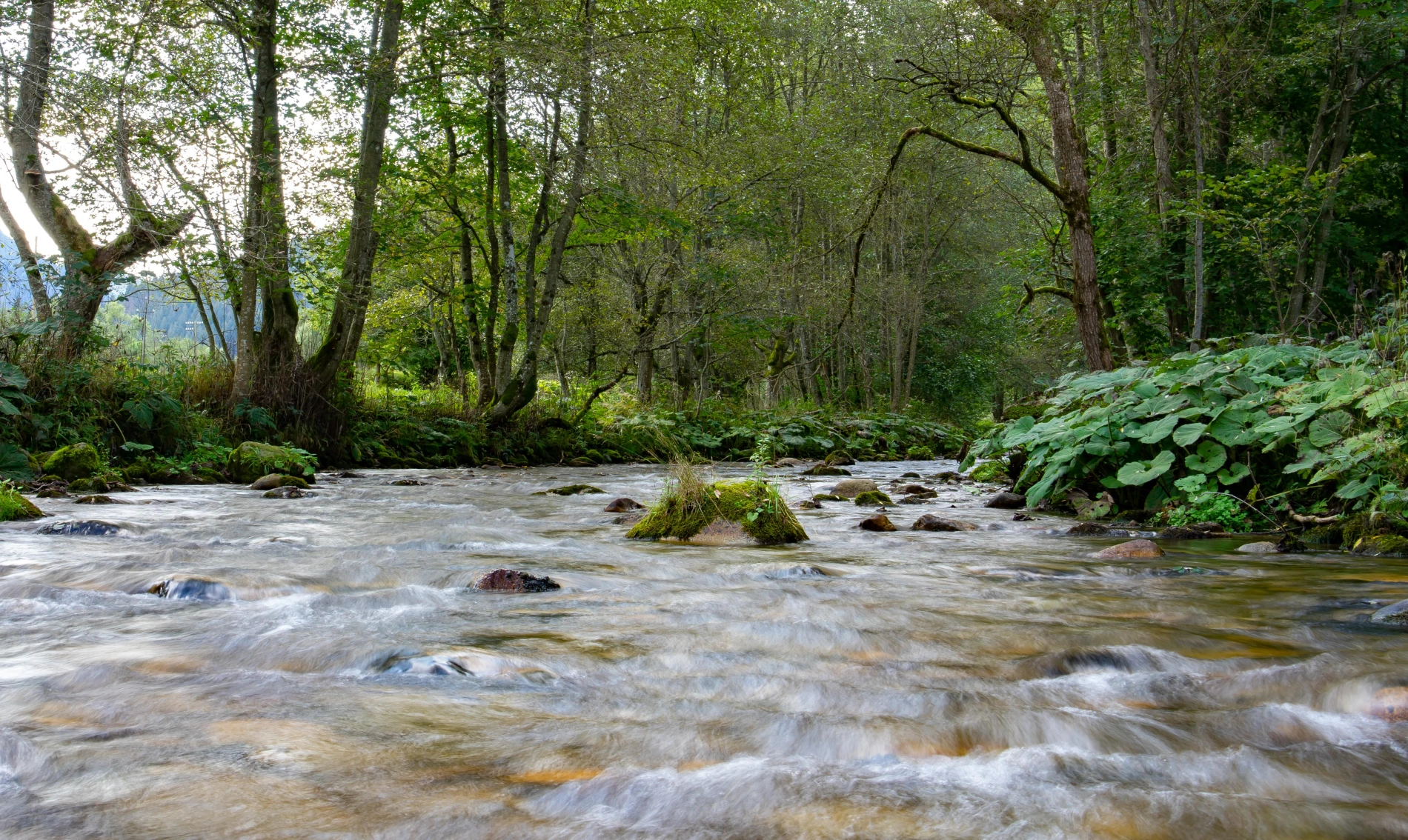
The village of Ľubochňa played a relatively important role from the 17th century in the wider area. There was a glassworks, a mill, water- and steam-powered sawmills, later also electric ones. At the beginning of the 18th century, an iron forge was established to process raw iron imported on rafts. In 1903, a hydroelectric power plant and a narrow-gauge forest railway were built here, also as the first electrified one in Central Europe. Its importance increased in the 19th century, when Count András Bethlen, the founder of Tatranská Lomnica, built state hotels, private villas, parks, spa houses, and a swimming pool. The construction was carried out in the Art Nouveau style with wooden half-timbered architecture. Ľubochňa is a well-known spa destination for endocrine diseases, and the National Institute of Endocrinology and Diabetology is located here.
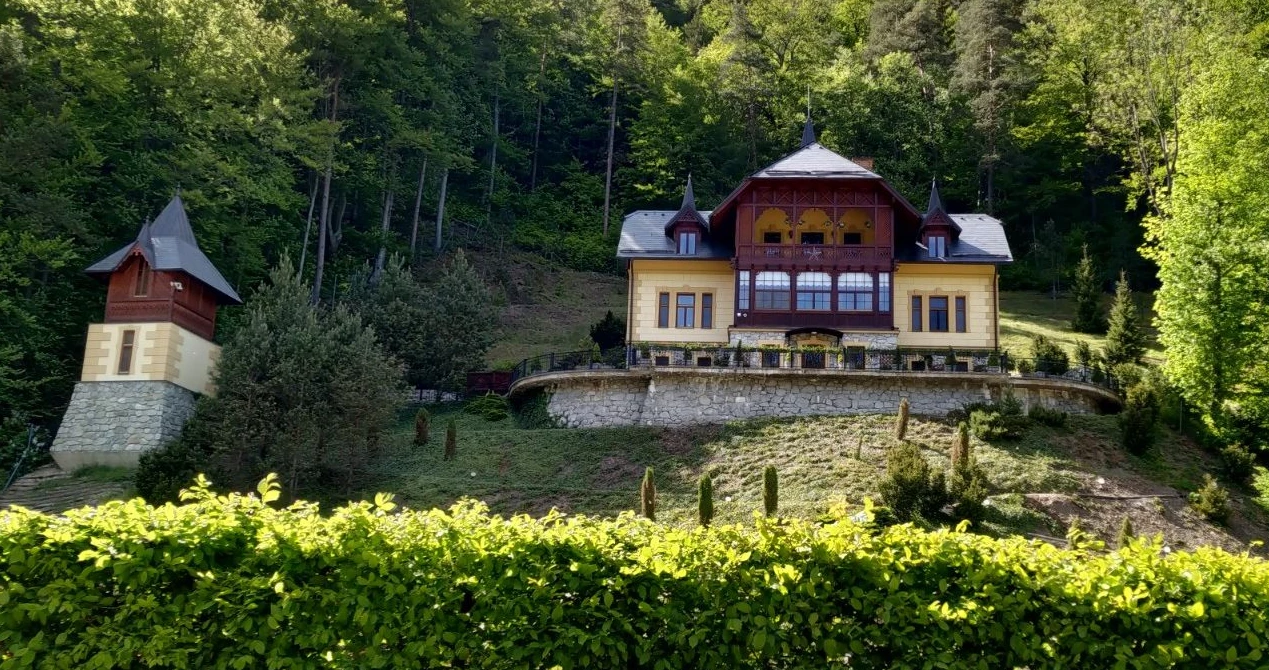
Fig. 1: Art Nouveau style of buildings and spa houses
Natural conditions and fauna
Ľubochnianska dolina is the longest valley in Slovakia, with a length of 25 km. It is located in the Veľká Fatra mountains and runs in a north-south direction. It begins near the village of Ľubochňa and ends in cirques on the slopes of Ploská and Čierny kameň. The Ľubochnianka stream flows through the valley.
The valley is known for its abundance of large game and is home to the largest Slovak predators (brown bear, Eurasian lynx). The Ľubochnianka river is characterized by well-preserved conditions with good fish stocking, especially brown trout and grayling.
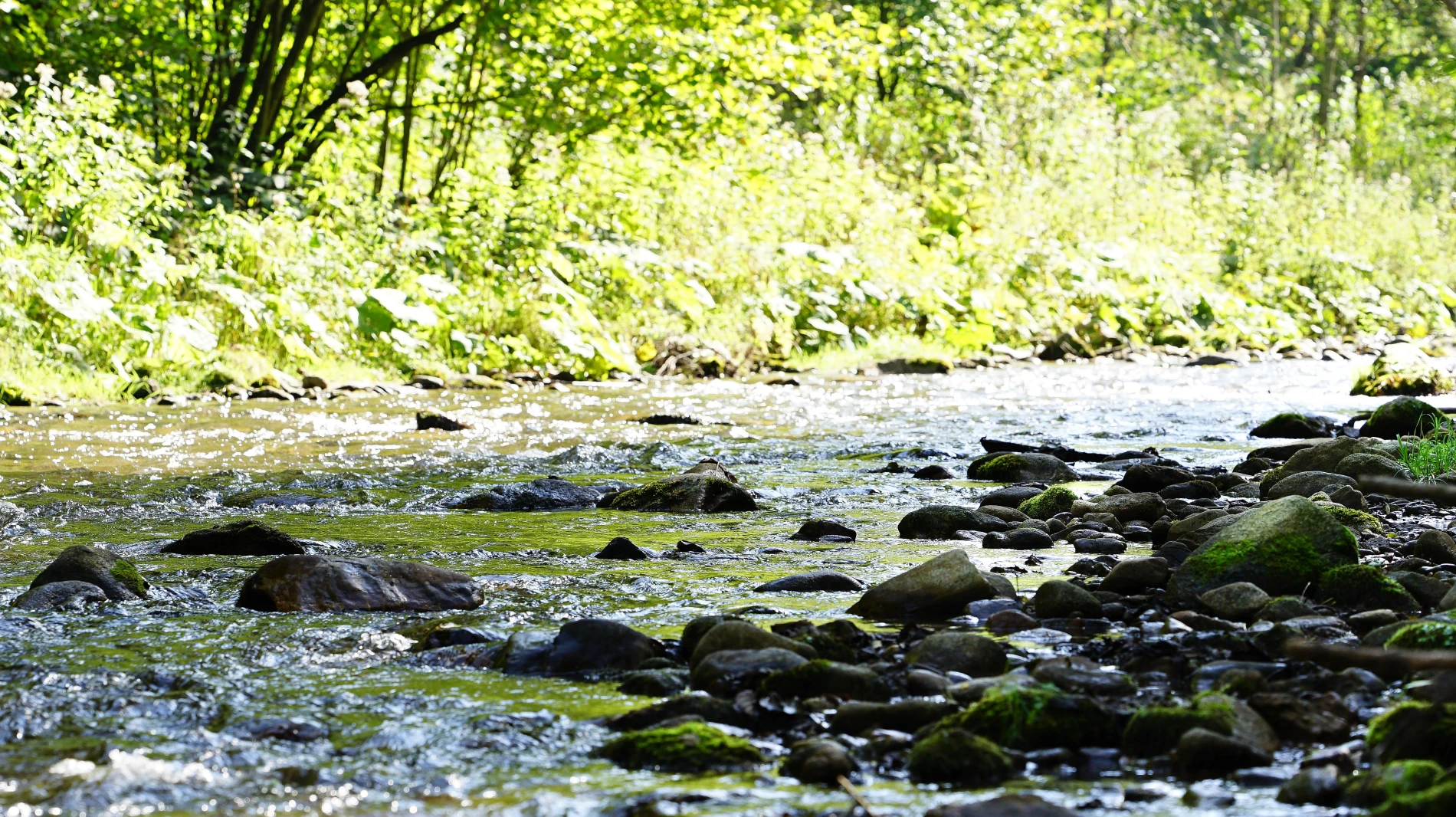
Ľubochnianska dolina is the longest valley in Slovakia, with a length of 25 km. It is located in the Veľká Fatra mountains and runs in a north-south direction. It begins near the village of Ľubochňa and ends in cirques on the slopes of Ploská and Čierny kameň. The Ľubochnianka stream flows through the valley.
The valley is known for its abundance of large game and is home to the largest Slovak predators (brown bear, Eurasian lynx). The Ľubochnianka river is characterized by well-preserved conditions with good fish stocking, especially brown trout and grayling.
In the side valleys there are significant nature reserves of the Veľká Fatra with preserved stands of primeval forest character (Kundračka, Rumbáre, Dvorisko, Skalná Alpa). The rare common yew also grows here.
Large number of protected plants:
Primrose, Slovak pasque flower, alpine edelweiss, lady's slipper orchid, Carpathian soldanella, fragrant daphne, martagon lily, yellow gentian, wood anemone, Clusius' gentian, spring gentian, Carpathian crocus.
Access and transport
By car
- Entry ban: Into the valley itself there is a strict ban on motor vehicle entry (except foresters, chalet keepers and vehicles with a permit). At the beginning of the valley there is a barrier.
- Where to park: In the center of the village of Ľubochňa (near the post office/institutes) or in small areas at the entrance to the valley (Krátke locality).
Public transport
- By train: The station Ľubochňa lies on the main line Žilina – Košice. From the station to the center it is 1 km on foot, to the mouth of the valley 5 km.
- By bus: Stop “Ľubochňa, center”. The entrance to the valley is close to the stop.
By bike (Ideal way)
- The valley is asphalted and ideal for cyclists. The route from Ľubochňa to Močidlo measures 22 km with a slight elevation gain. There are also e-bike rentals in the village.
Tip: If you are planning to walk all the way to the end of the valley, expect a very long route (approx. 5 – 6 hours one way). For hikers, it is therefore more convenient to use a bike to get to the end of the valley and then continue on foot into the hills.
Educational game - discovering the forests of Slovakia
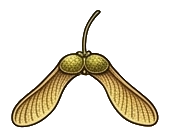
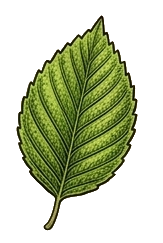
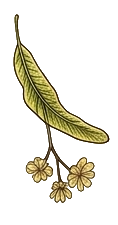
Match the images with the correct meaning
Questions

Answers
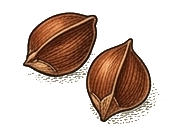
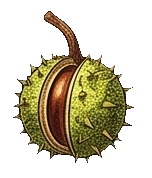


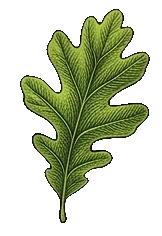
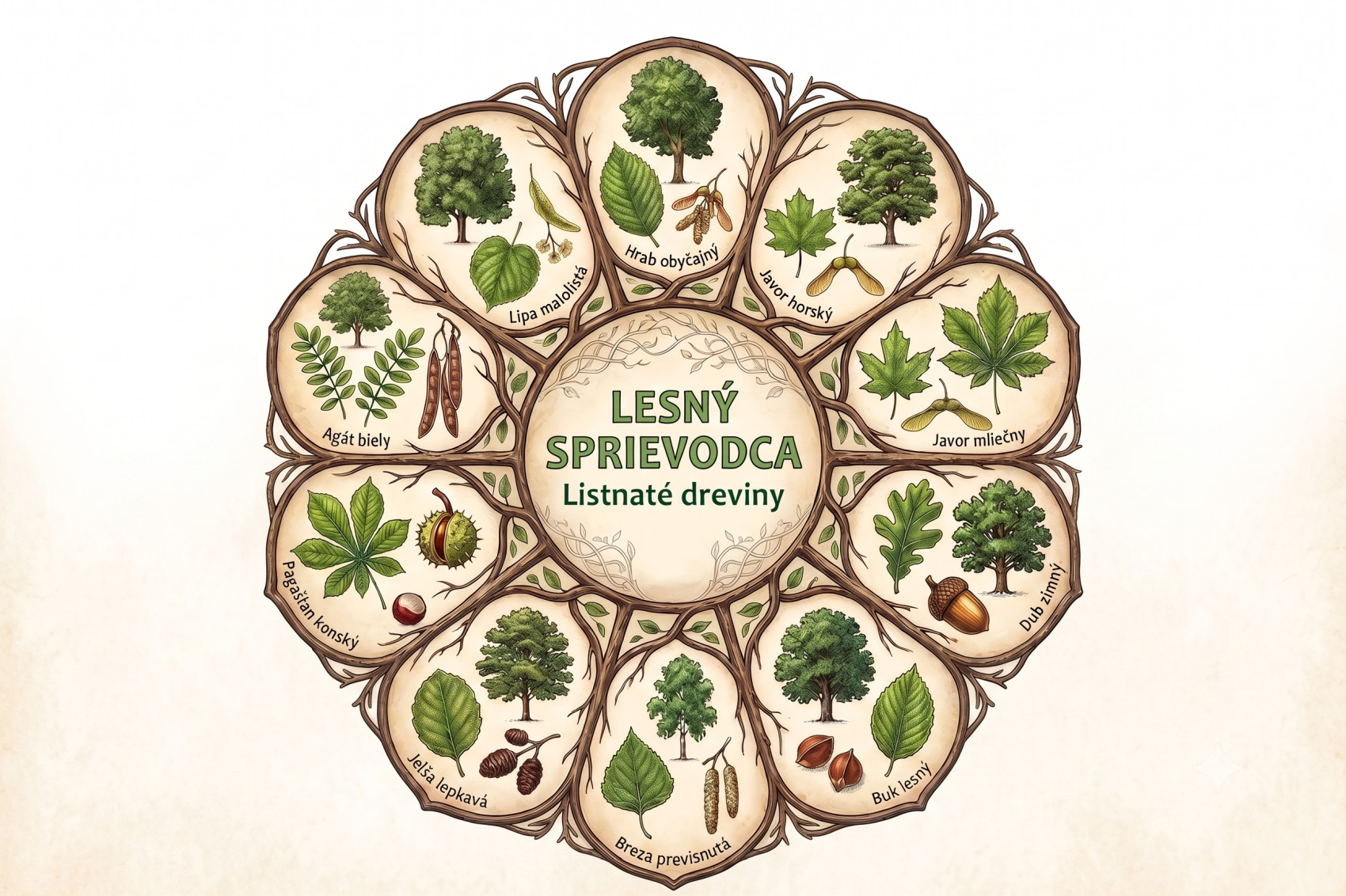
Match the images with the correct meaning
Questions
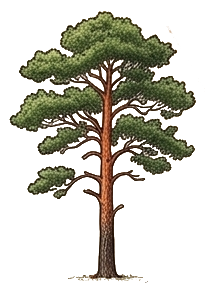
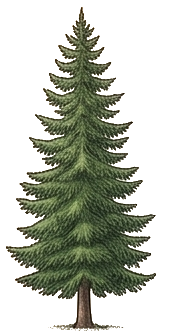
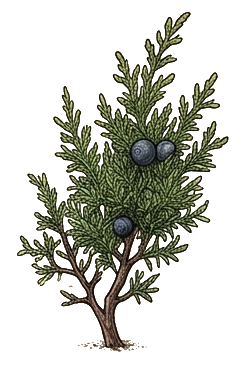
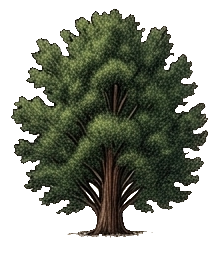
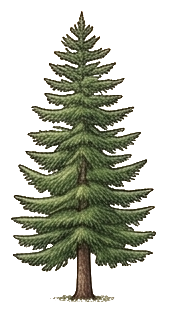
Answers
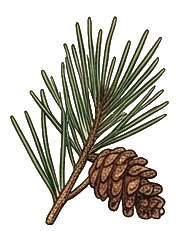
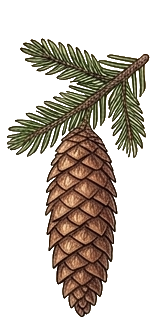
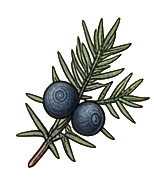

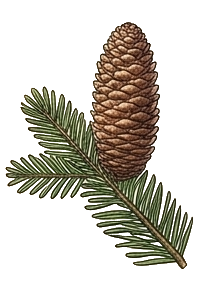
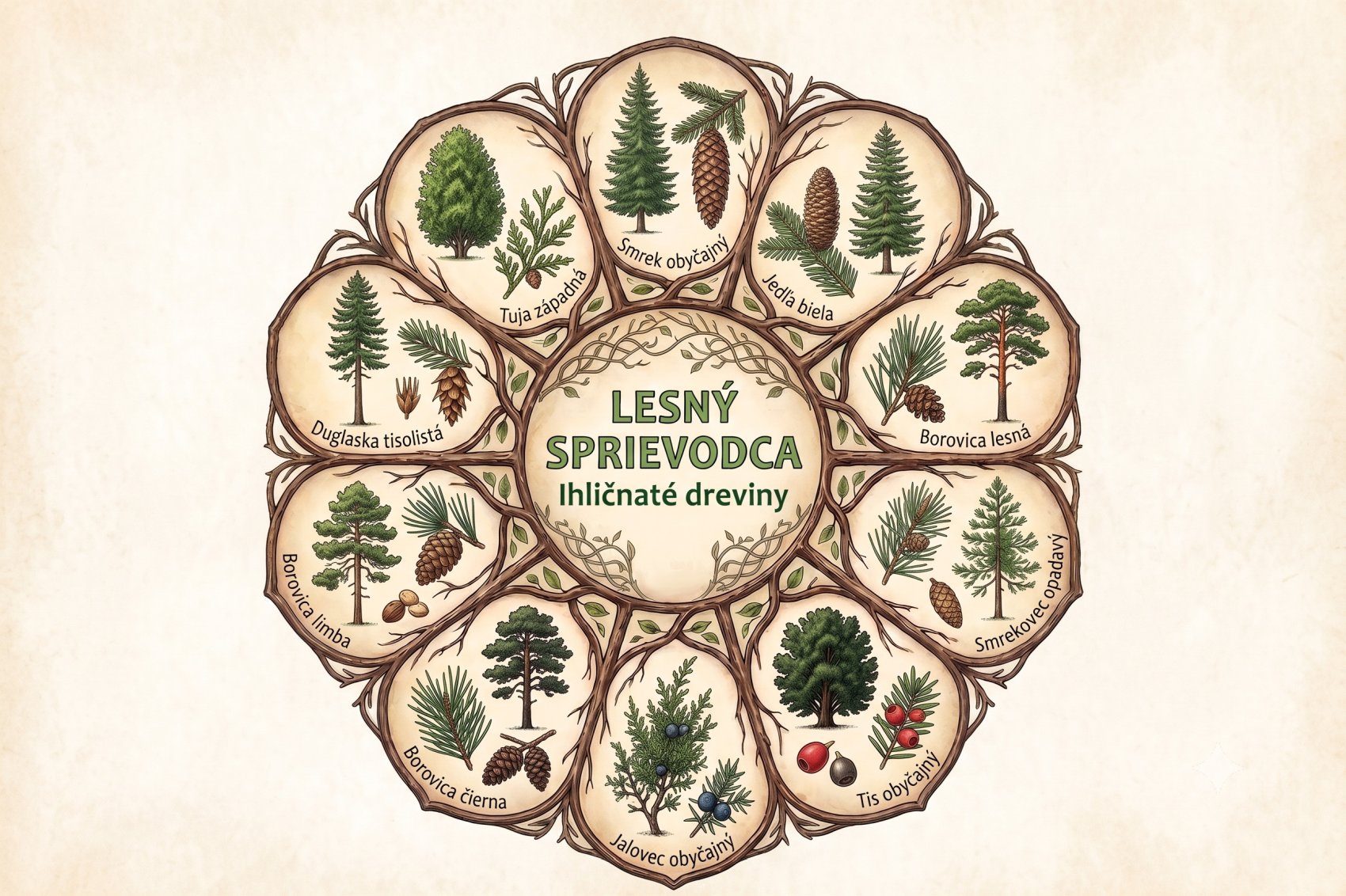
Photo gallery:


There are no comments yet. Be the first!