
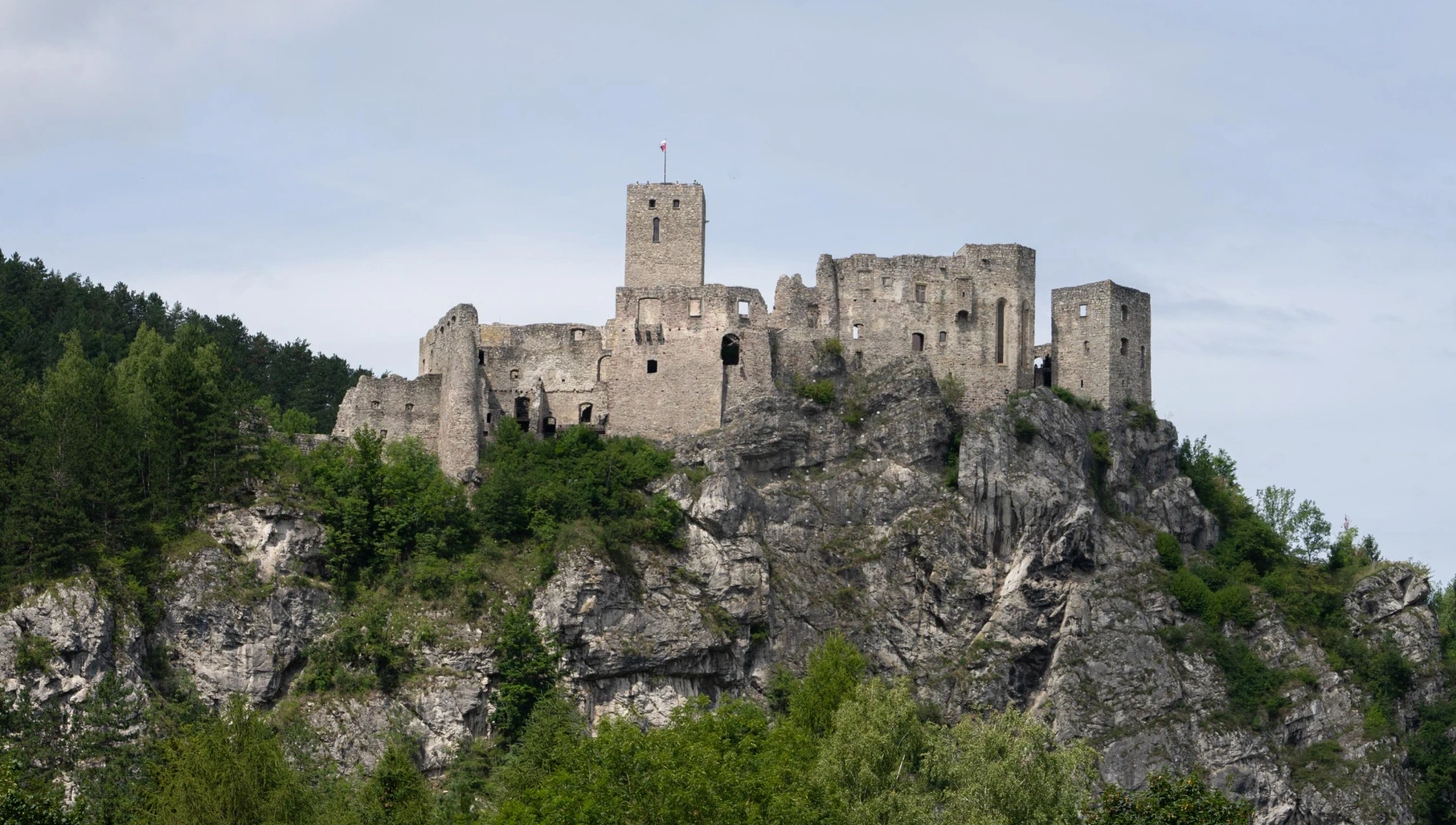
The first written mention of the stone Strečno Castle dates from 1316, when the Strečno estate is first mentioned. At that time, the estate must have already had its main seat in the form of a castle, although probably only a watchtower stood from it.
History of Strečno Castle
Origins and early development
The founding of the castle is attributed to the Balašovci family. It is assumed that the castle was built on an older foundation, probably a Slavic hillfort. The core of the castle, which had a polygonal floor plan with an area of approximately 400 m² (the so-called small castle), dates back to the first half of the 14th century. It consisted of a prismatic watchtower, a cistern carved into the rock, and a smaller residential building in the northeastern corner of the fortifications. From the beginning of its existence, the castle served as protection for the toll station, which was located at the ford across the Váh River below the castle. The castle is also mentioned during the ownership of Matúš Čák as the center of the larger feudal estate of Strečno.
Castle extension
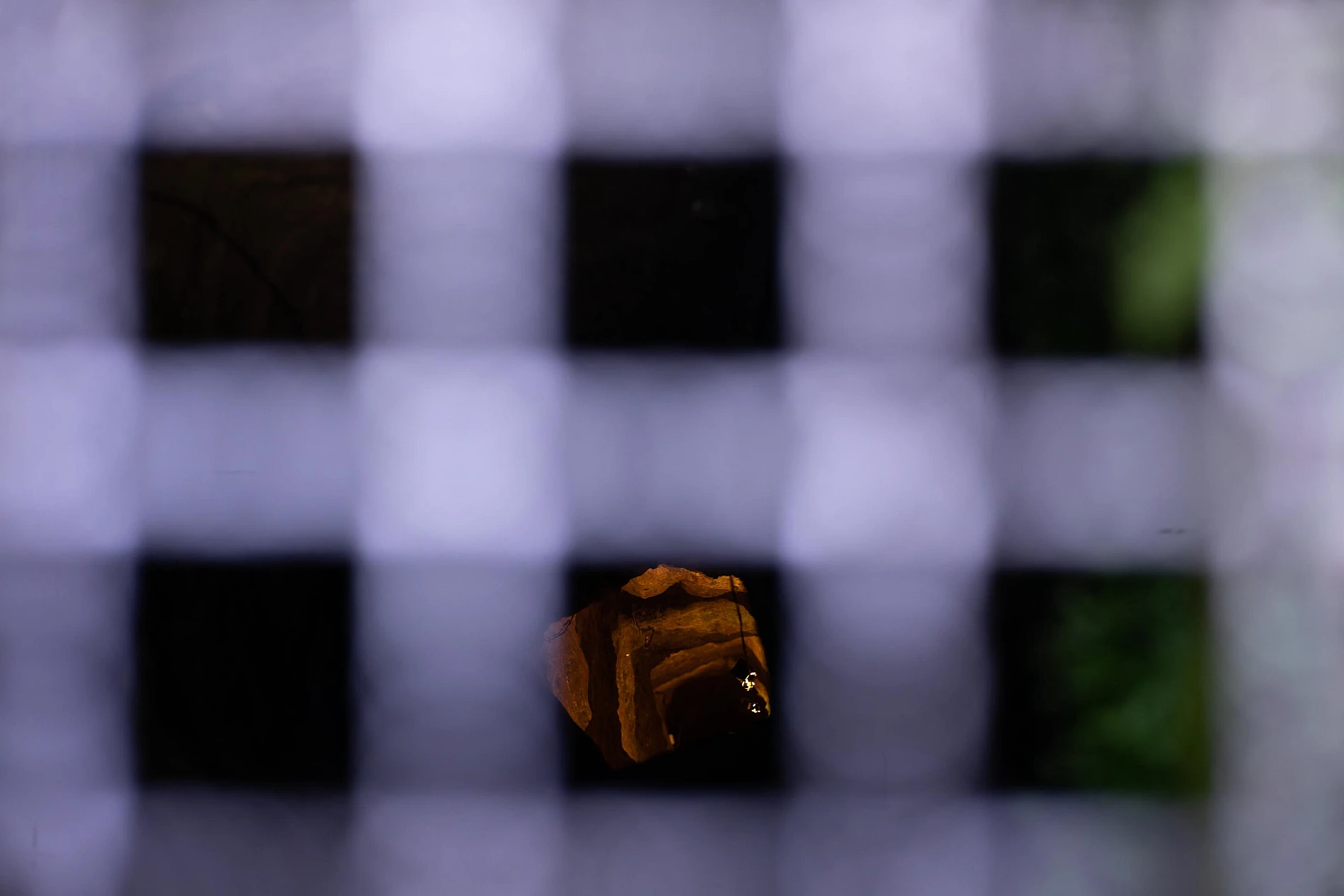
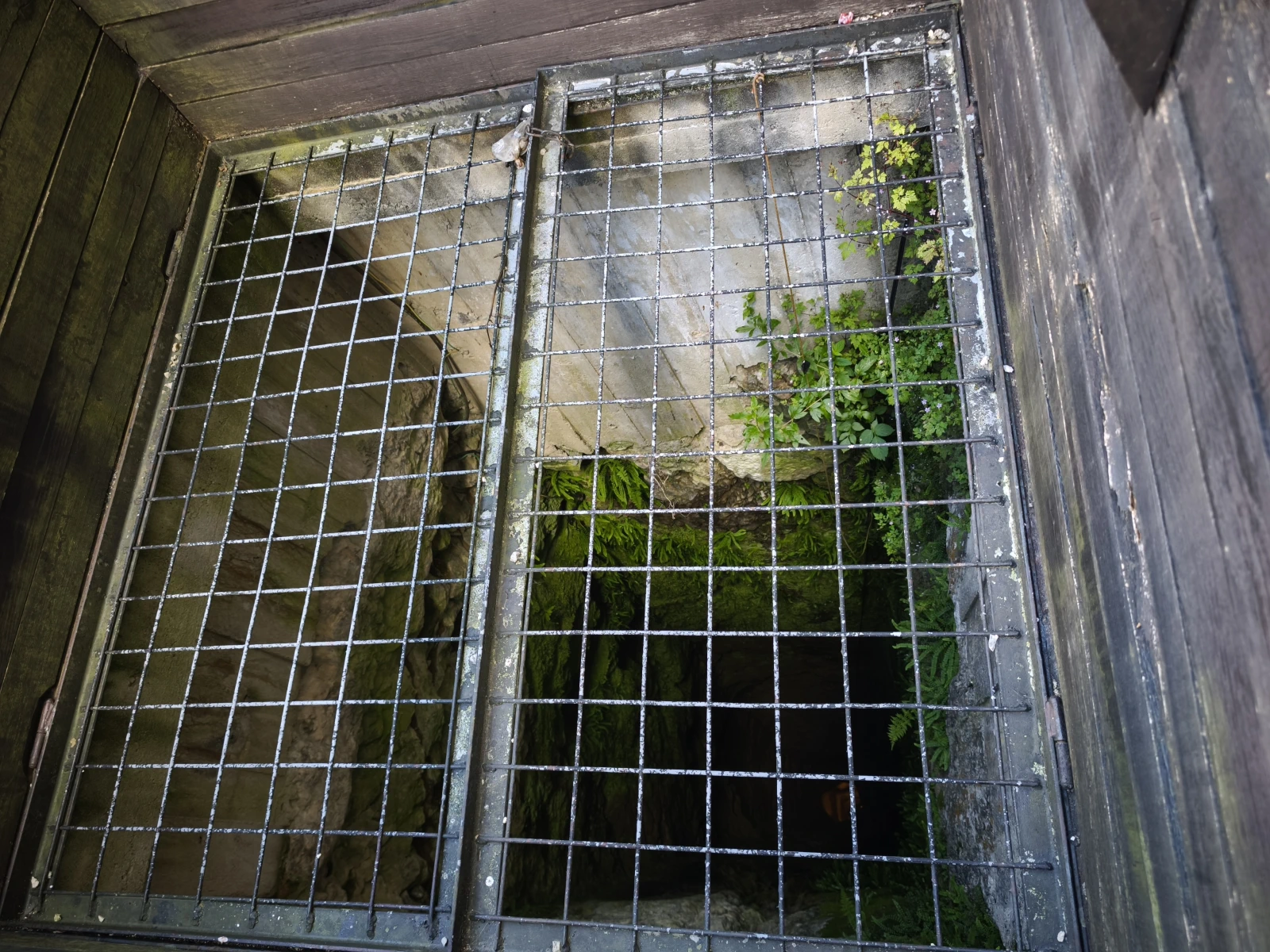
At the end of the first half of the 14th century, the outer bailey was completed. At the beginning of the 15th century, the castle was acquired by Queen Barbara of Celje, who had the northern palace and the castle chapel built. The entrance to the castle was moved to the Branská Tower with a barbican. During this period, a second prismatic tower was also built, closing off the northern outer bailey. The transformation of the castle into a unified fortified structure was completed with the construction of walls with three horseshoe-shaped bastions and one semicircular bastion protecting the main gate. The complex also included an 88-meter -deep well in the main courtyard.
Decline and Renaissance reconstructions
After a period of construction development, the castle began to decline at the beginning of the 16th century due to frequent changes of owners. From 1444 to 1469, it was owned by the Pongrác family from Liptovský Mikuláš, who also owned the nearby Old Castle. Other notable owners included Pavol Kiniži, Ján Zápoľský, and Mikuláš and Peter Kostka. This unstable situation changed only in the second half of the 16th century, when the castle came into the possession of Mikuláš and František Dersffy, who carried out a series of Renaissance reconstructions.
Period of decline and war damage
After the period of prosperity, Strečno Castle had several owners, but the castle never regained its form from the end of the 17th century. At the beginning of the 20th century, the sale to Samuel Hahn, who dismantled the castle ruins and sold them as building material, also negatively affected the poor state of the monument.
During the fighting in the Slovak National Uprising, the castle was damaged by a German artillery attack on the positions of the Czechoslovak Army and French partisans. Moreover, the poor condition of the walls threatened the safety of traffic on the main road below it. For this reason, in the 1960s, the urgent need for reconstruction began to be discussed loudly.
Reconstruction and current state
The comprehensive restoration finally began in 1974 and lasted 21 years (until 1995), due to its enormous technological and financial demands. However, the reconstruction was not accepted entirely without reservations – especially because of the extensive use of new, exposed concrete structures, which led to a visual change in the character of the castle. Originally, the castle ruins, remnants of palaces and towers formed a unified and romantic compositional whole with the surrounding rock mass. In later years, necessary remediation works were also carried out to statically secure the castle rock.
Currently, the castle is administered by the Považské Museum in Žilina. Inside, there is a permanent exhibition presenting archaeological finds from the surroundings, as well as the overall history of this majestic seat.
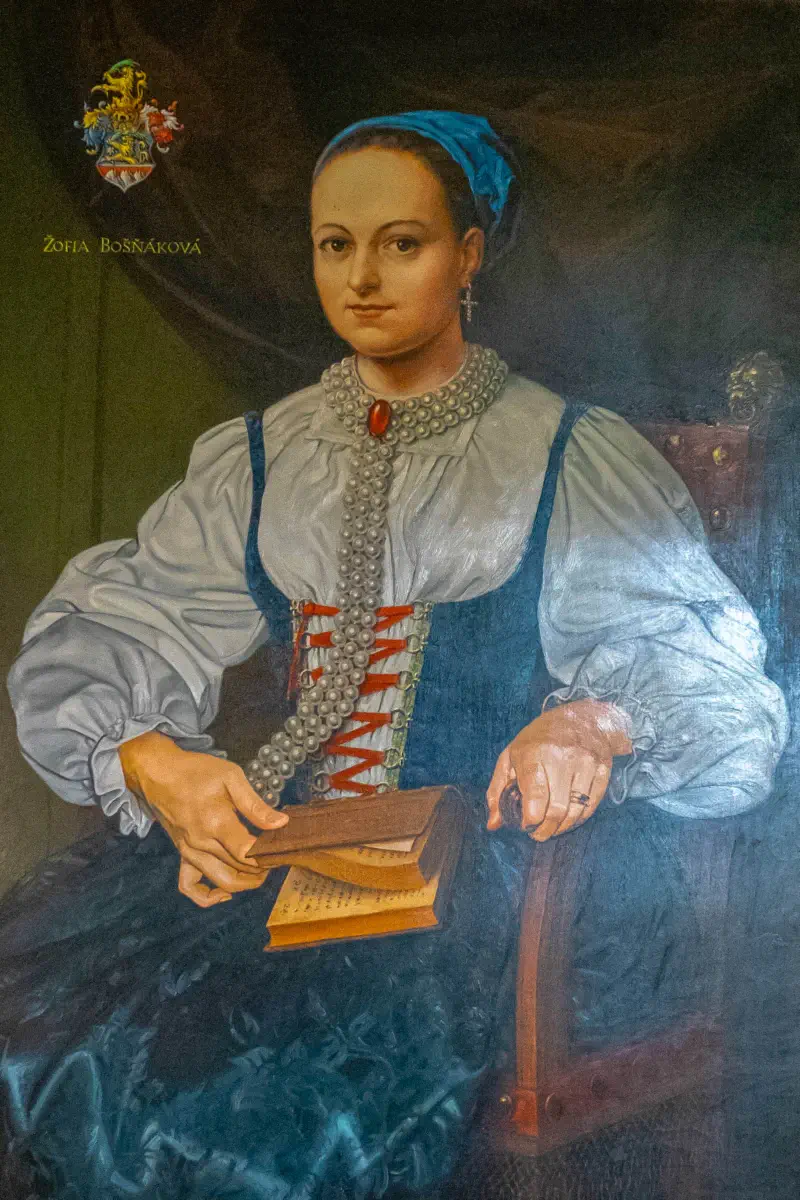
Žofia Bosniaková (1609 – 1644) was a Hungarian noblewoman, known primarily for her extraordinary charity, deep piety, and selfless help to the poor and sick. In the region of the Upper Váh River and throughout Slovakia, she is still venerated today as a symbol of kindness and a saint of the people.
-
Origin and life: She was born at Šurany Castle into the family of Baron Tomáš Bosniak. After the premature death of her first husband, Michal Serényi, she married František Vešeléni (Wesselényi), the future Palatine, and settled at Strečno Castle and in the manor house in Teplička nad Váhom.
-
Social sensitivity: In Teplička nad Váhom, she founded an almshouse (a shelter for the poor and sick) with a hospital. She personally distributed food, medicine, and clothing regardless of the origin or religion of her subjects. The tradition of baking small bread rolls, the so-called „bosniaks“, also dates from this period.
-
Miraculously intact body: She died young, at the age of 34, and was buried in the crypt of Strečno Castle. When imperial soldiers opened the crypt decades later, her body was found almost intact, which led to the mass emergence of a legend about her holiness.
-
Worship and tragic incident: Her mummified remains were later transferred to the Loreto chapel in the church in Teplička nad Váhom, where for centuries they were a destination for pilgrims. In April 2009, a mentally disturbed man set her body on fire directly in the chapel and destroyed it.
Žofia Bosniaková remains to this day one of the most prominent and beloved female figures of Slovak history, perceived as the embodiment of mercy and selflessness.
Panoramic view of Strečno Castle
Access and transport
1. By car
- Route: The castle lies near the main road I/18. From Žilina it takes about 15 minutes, from Martin approximately 20 minutes.
- Parking: Directly below the castle rock there is a large municipal paid parking lot. From there, a marked path leads to the castle (approx. 10 – 15 minutes on foot up a steeper hill).
2. By train (Very popular choice)
- Stop: Get off at the railway station Nezbudská Lúčka – Strečno.
- Access to the castle: The station is located on the other bank of the Váh River. You can cross to the other side in two ways: via the footbridge for pedestrians (connecting Nezbudská Lúčka with Strečno), or you can use the local Strečno ferry, which transports cars and pedestrians alike and is an experience in itself.
- From the river, it takes approximately 15 – 20 minutes of walking to the castle through the village and then uphill.
3. By bus
- Suburban lines from Žilina towards Martin or to surrounding villages stop at the stop Strečno, pod hradom or in the village center. From the stop it is only a short walk to the castle.
4. By bicycle
- A popular cycling route runs around Strečno along the Váh River (from Žilina via the Žilina Water Reservoir). Bicycles can be safely stored below the castle, but the climb directly to the castle with a bicycle is not possible.
5. Rafts on the Váh
- An interesting way to combine transport with an experience is rafting on the Váh River on traditional wooden rafts. The raft trip ends directly in Strečno, from where you can continue on foot to the castle.
Useful information:
- Opening hours: The castle has limited opening hours during winter (usually only weekends). The main summer season typically starts in April.
- Difficulty of the ascent: The access road from the parking lot is maintained (asphalt/steps), but quite steep. Children can manage the climb, but it is not suitable for strollers (there are steps in the upper part).
- Events: During the season, popular night tours or falconry performances are often held at the castle.
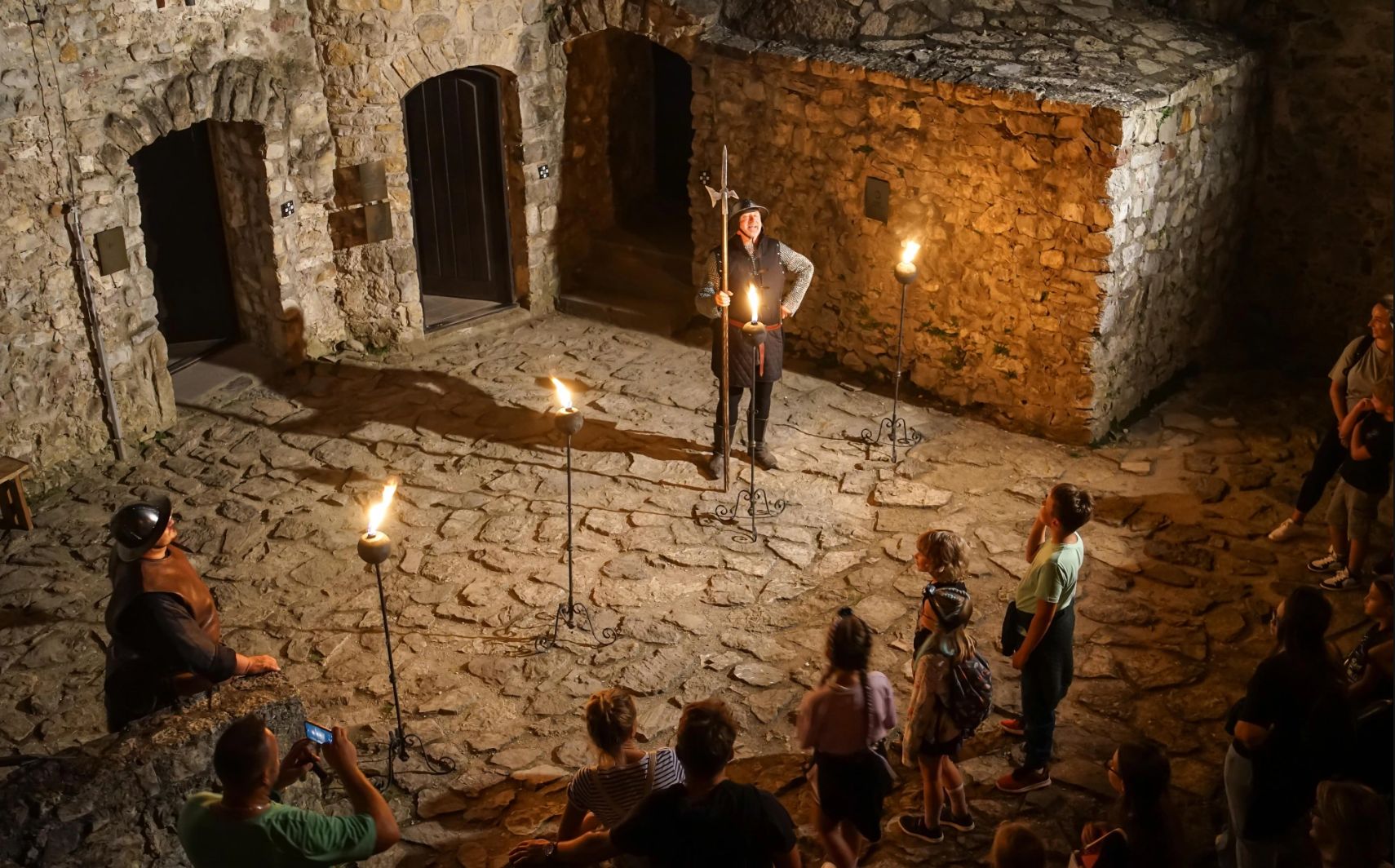
Photo gallery of Strečno Castle:


There are no comments yet. Be the first!