
Od kráľov cez lúpežných rytierov až po úpadok
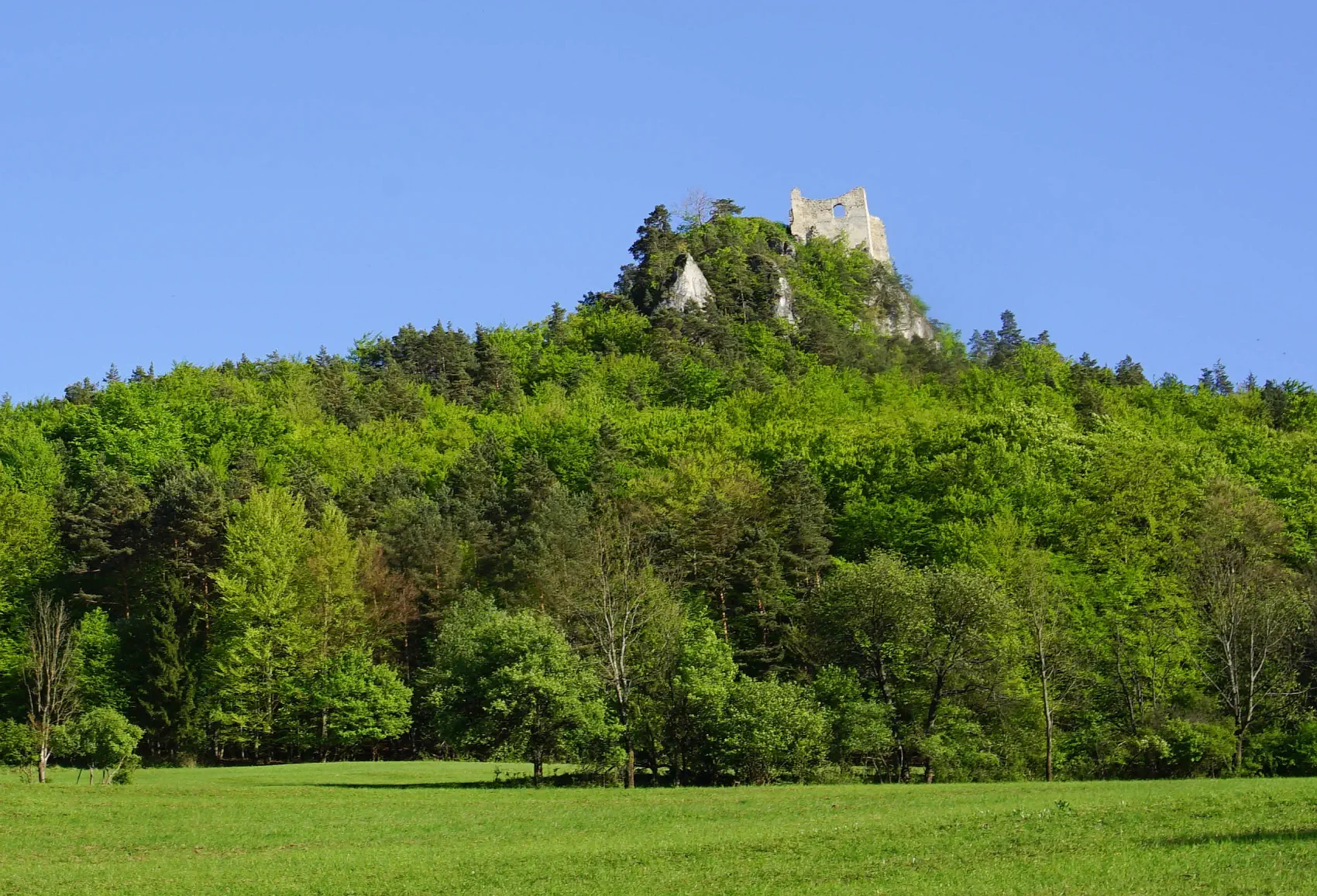
The history of Hričov Castle is full of twists and turns. Its beginnings date back to the 13th century (the period between 1254 and 1265), when it was built by magister Toluš. Over the centuries, many significant owners succeeded one another at the castle. The castle belonged for example to the famous Matúš Čák of Trenčín and later also to the well-known Podmanický brothers, who went down in history rather as robber knights.
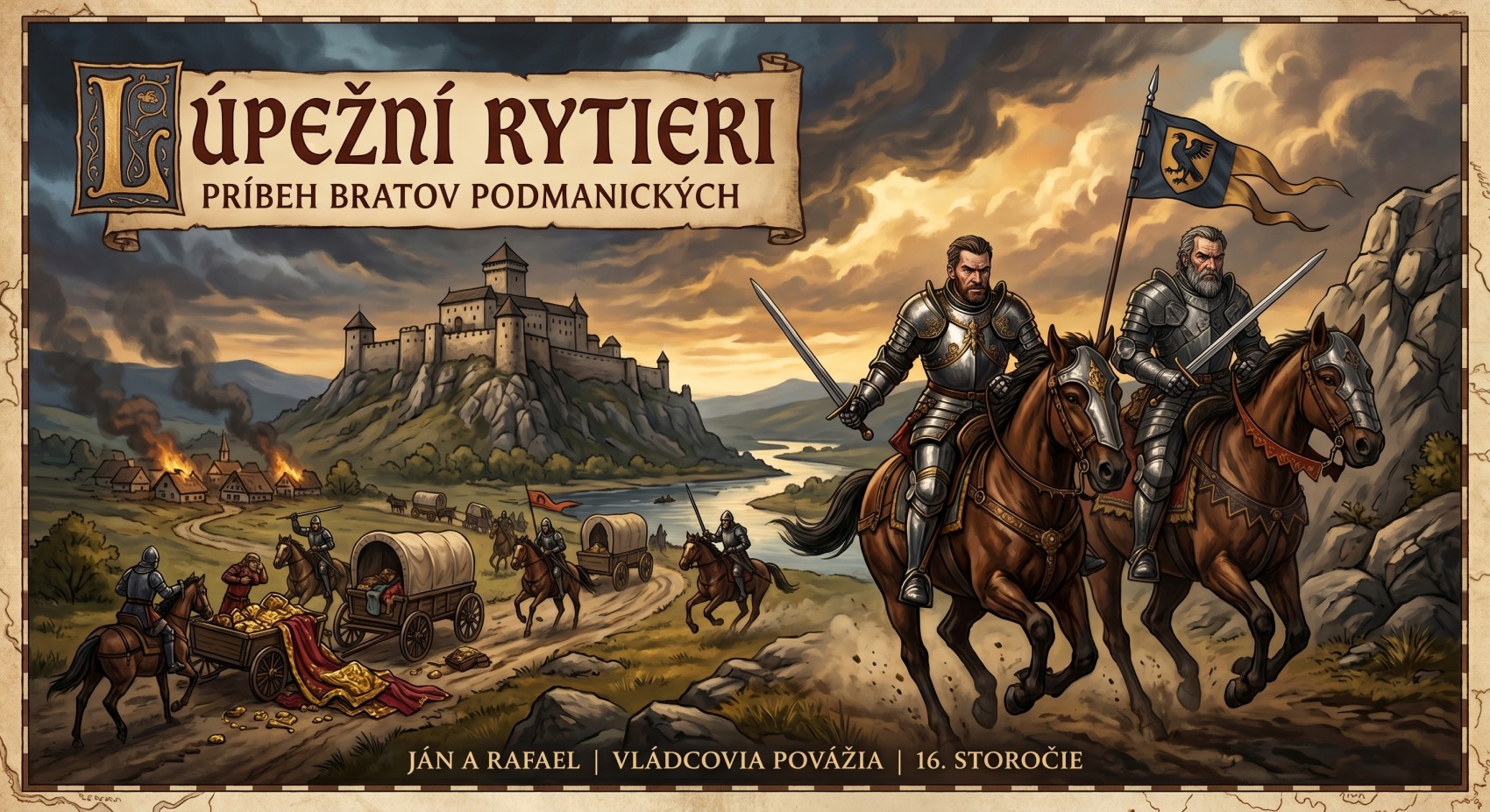
The Golden Age of the Robbers
-
Period of chaos: The brothers operated in the first half of the 16th century (after the Battle of Mohács in 1526). Hungary was then divided by a civil war over the throne between Ferdinand I of Habsburg and John Zápolya.
-
Profit-seeking tactics: John and Rafael ruthlessly exploited this confusing situation. They constantly changed sides and always sided with the monarch from whose support (or weakness) they could extract the most property at the time.
What were their crimes?
-
Forcible seizure of property: Their main and strategic seat was Považský Castle (at that time often called Bystrický Castle). However, through violence and military force, they gradually also seized the castles of Hričov, Bytča, Lednica, and estates in Moravia.
-
Terrorizing the region: Instead of knightly virtues, they engaged in plundering surrounding estates, burning villages, and attacking merchant caravans, from which they extorted illegal tolls.
-
Attacks on towns: Their military expeditions, sieges, and looting had to be directly faced by the wealthier towns in the area, including Žilina, Ilava, and Trenčín.
An End Without Just Punishment
-
Without consequences: Although the king sent military units against them several times, they were never punished for their actions. When his older brother John died in 1545, Raphael realized that the monarch's power was strengthening, and tactically laid down his arms.
-
From robber to dignitary: Raphael swore allegiance to the monarch and received full royal pardon (amnesty). He thus surprisingly lived out his days in peace as a respected county head, nobleman, and royal councilor. He died in 1558.
-
Extinction of the family: Since Rafael left no legitimate male heir, the feared Podmanický family definitively died out with his death in the male line, and the stolen properties reverted to the royal crown.
At the end of the 16th century, the castle passed into the hands of František Thurzó. However, that was the beginning of its end as a noble residence. The Thurzós chose a more comfortable and modern manor house in nearby Bytča as their main seat. Hričov Castle began to serve only as a prison or storage place, and from the second half of the 17th century it was left to its fate and gradually turned into a ruin.
Volunteers are saving the castle
For many years the castle fell into disrepair, but that changed in 2010. At that time, the Association of Friends of Hričov Castle was founded, whose members and volunteers devote their free time to saving this monument.
Under the supervision of monument conservators, they remove invasive vegetation, stabilize crumbling walls, and carry out archaeological research. Their main goal is to preserve the current state of the castle so that it is safe for visitors and retains its authentic historical atmosphere.
Start navigation to Hričov Castle
Why visit Hričov?
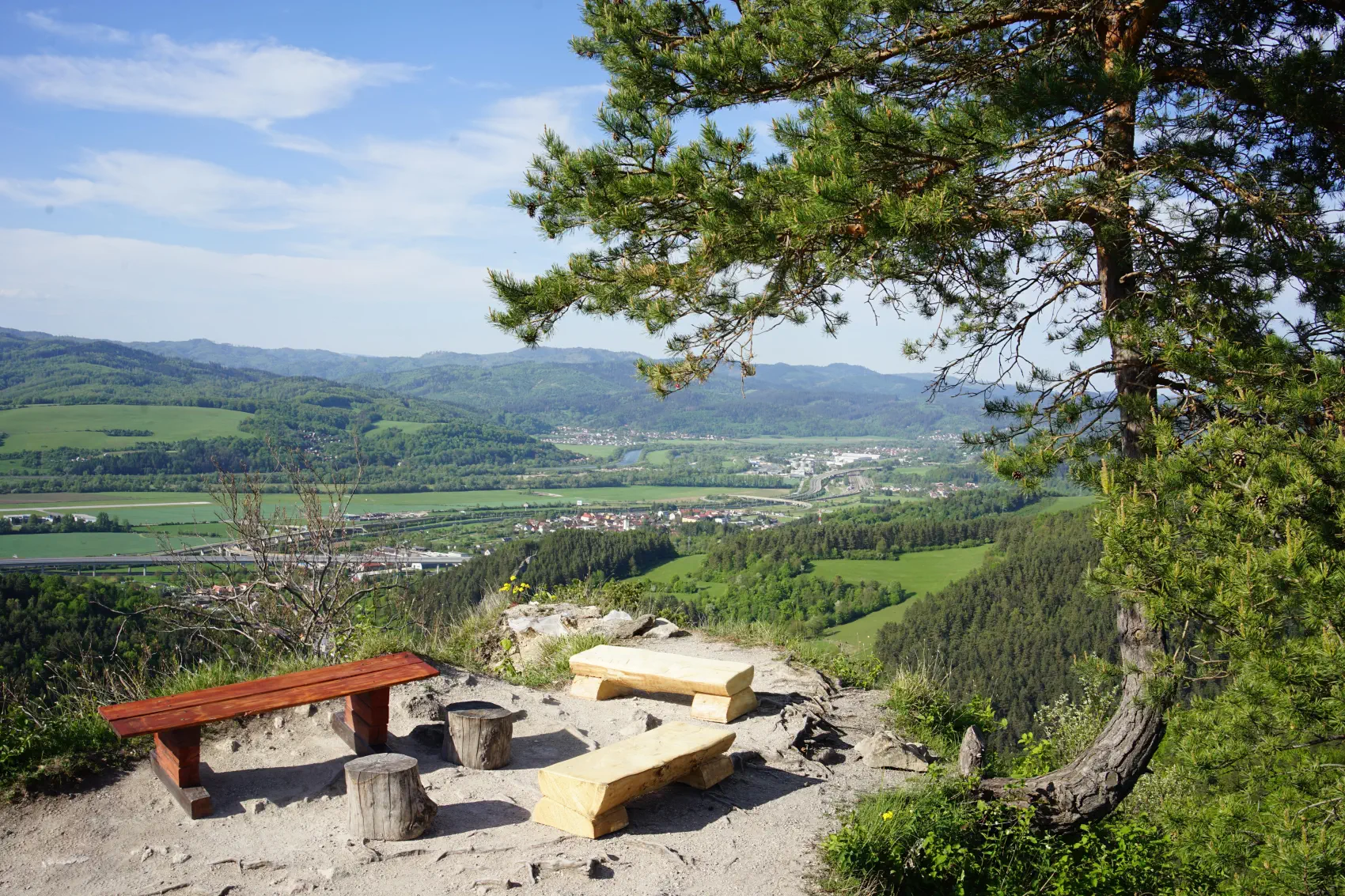
The path to the castle is not just about climbing uphill. In 2013, volunteers built a splendid nature trail. It consists of 20 beautiful, wood-carved panels that guide you through the castle's history, as well as local fauna and flora. Along the way, you can rest in two wooden gazebos.
Hričov Castle is an ideal place for a family trip, a romantic walk, or an escape from the city into the silence of medieval walls and surrounding nature.
There are no comments yet. Be the first!